Dressers are an essential component of every bedroom since they provide both aesthetic appeal and storage. It’s crucial to select the appropriate dresser kinds and designs for your style and the available space.
It’s critical that your bedroom dresser meets all of your requirements and stays out of the way. To choose the dressers that best suit the style and storage requirements of your bedroom, refer to this comprehensive guide.
Dressers vs. Chests
What makes a chest different from a dresser? Even though these ornamental storage items have a similar appearance, there are a few variations that may influence your decision. Chests are tall and narrow to offer lots of drawers while taking up less floor space,
whereas dressers are usually wide and short to provide room for a mirror and storage on top. Depending on the size of your room and how you want to use this furniture on a daily basis, you can choose between these many storage options.
Dresser Types
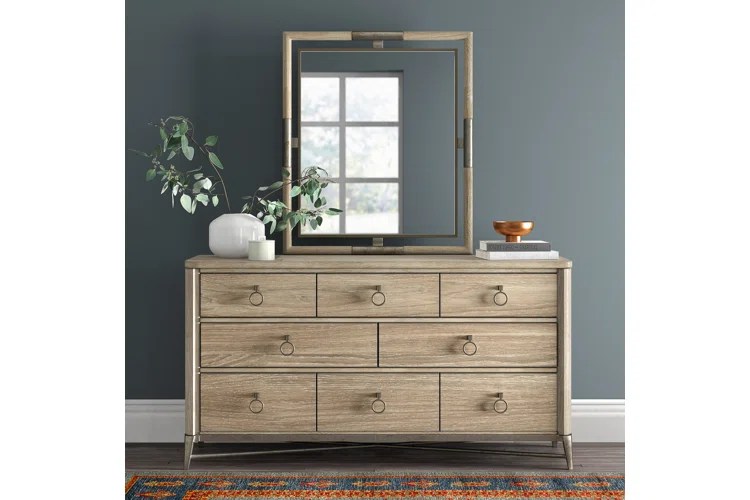
Double Dresser
It’s easy to recall that double dresser designs feature two columns of large drawers! If you have a larger bedroom and need a lot of space to store clothes and other belongings, this dresser style is ideal for you. Large rooms are ideal for double dressers because they don’t crowd the area. We advise allowing between 60 and 70 inches for a double dresser.
Dresser With Mirror
This design is exactly what it sounds like: a dresser with a mirror hanging straight above to facilitate getting ready. Investing in a matching mirror streamlines the styling process and improves the overall flow of your bedroom.
Make sure the dresser kinds you choose complement your overall decor because they instantly become the focal point of your bedroom when they come with matching mirrors.
Chest Types
Lingerie Chest
These long, thin, and narrow chests maximize room in your room without sacrificing garment storage. If you’re short on space, a lingerie chest is the ideal piece of furniture to have by your bed, in your bathroom, or in your closet because they fit into tiny spaces.
Media Chest
A media chest is exactly what it sounds like: it includes room for gadgets like a TV in addition to storing personal goods. Additionally, there is enough to discreetly conceal several consoles and cables. To ensure you have the best possible view of your entertainment system, it is recommended to position a media chest across from your bed.
Bachelor Chest
Compared to a typical dresser, this chest is shallower and smaller, with three or four storage drawers. The term “bachelor” originally referred to the chest since it was perfect for a single person, but it now denotes a more compact chest style.
Materials
A major component of developing the overall style of your bedroom is selecting the appropriate material for your dresser. Choose the material that best fits your vision out of these as they have rather distinct finishes and textures.
wood
The most common material for dresser designs is wood. To add depth and character, a vast array of tones, wood types, and treatments are available. Solid, engineered, or a combination of the two types of wood are available for wood dressers. While engineered wood is low-maintenance and resistant to warping, solid wood is robust and has a distinctive, natural grain.
Both solid and engineered wood dressers are long-lasting and require little upkeep. Wood is a great choice for almost any bedroom because it blends in well with a variety of design styles and is an excellent transitional material.
Metal
For a glamorous and opulent touch, metal works best as an accent piece on your dresser. A rustic touch is added with black or brown metal drawer pulls and handles. A finish with elements of gold, silver, copper, or bronze is sophisticated or modern.
Dresser Sizing: How to Find the Right Size
Dressers are made to stand at your waist, which facilitates item access and allows you to use the top for storage. A typical dresser is 16″ to 20″ deep and 36″ to 60″ wide. Measure the breadth and depth of your room before making a purchase.
Select a dresser that meets the measurements and leaves enough room for you to be able to move around and take out the drawers. The front of your dresser should be at least 36″ apart from any other piece of furniture so that you can easily open your drawers.
Dresser Designs: Find the Right Style for Your Bedroom Aesthetic
Rustic Styles
Dark or untreated wood dressers go well with the rustic style, which emphasizes combining natural materials, muted color schemes, and simple, clean lines. Make your selection of a bedroom dresser easy and uncomplicated: Consider smooth or unfinished surfaces; woods like cherry, pine, and oak; or give your dresser a dark wicker texture.
Modern Styles
Create a sleek, vertical chest to create an effortlessly stylish, high-end look. Simple shapes and muted hues—think black or blond wood—will provide the minimalist vibe that modern interior design aims for. Choose mid-century dresser styles that have boxy shapes, clean, straight lines, and metal handles or knobs.
Traditional Styles
A dresser with a straight silhouette and medium to dark wood would look great in a traditional room with neutral colors and striking patterns. If you want to enhance the classic aesthetic, you can also go for a more elaborate style with detailed carvings.
Transitional Styles
Classic traditional styles are combined with modern and contemporary trends in transitional design. When combined, they create a seamless, unified design. They are excellent, adaptable, and go well with any type of décor. Select a dresser with a mix of metal elements and dark wood or straight and curved lines.
 Best Curtain Shop in Gurgaon
Leave a comment